
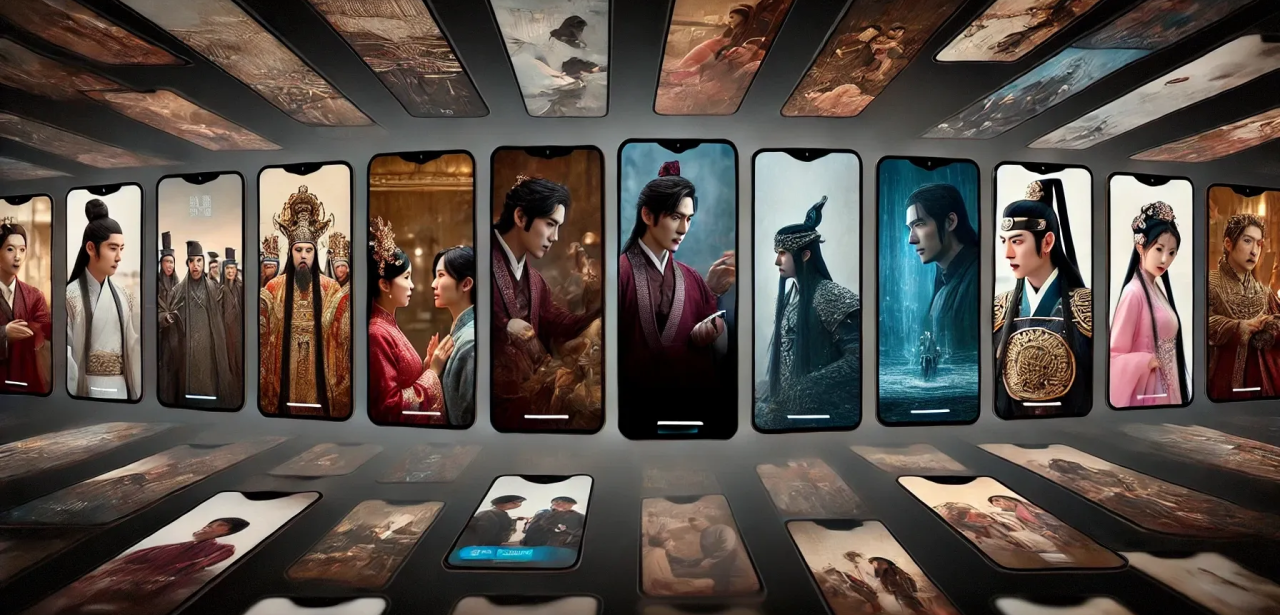
In recent years, with the deep spread of mobile networks and the global migration of short video content consumption habits, China’s micro-blind drama is “off to sea” at an unprecedented rate, creating a new wave of cultural consumption in overseas markets. Among them, the emergence of foreign forces in South-East Asia not only served as a central hub for the dissemination of micro-short drama content, but also achieved cross-cutting growth at the level of downloads and commercial liquidity, once surpassing the North American market.
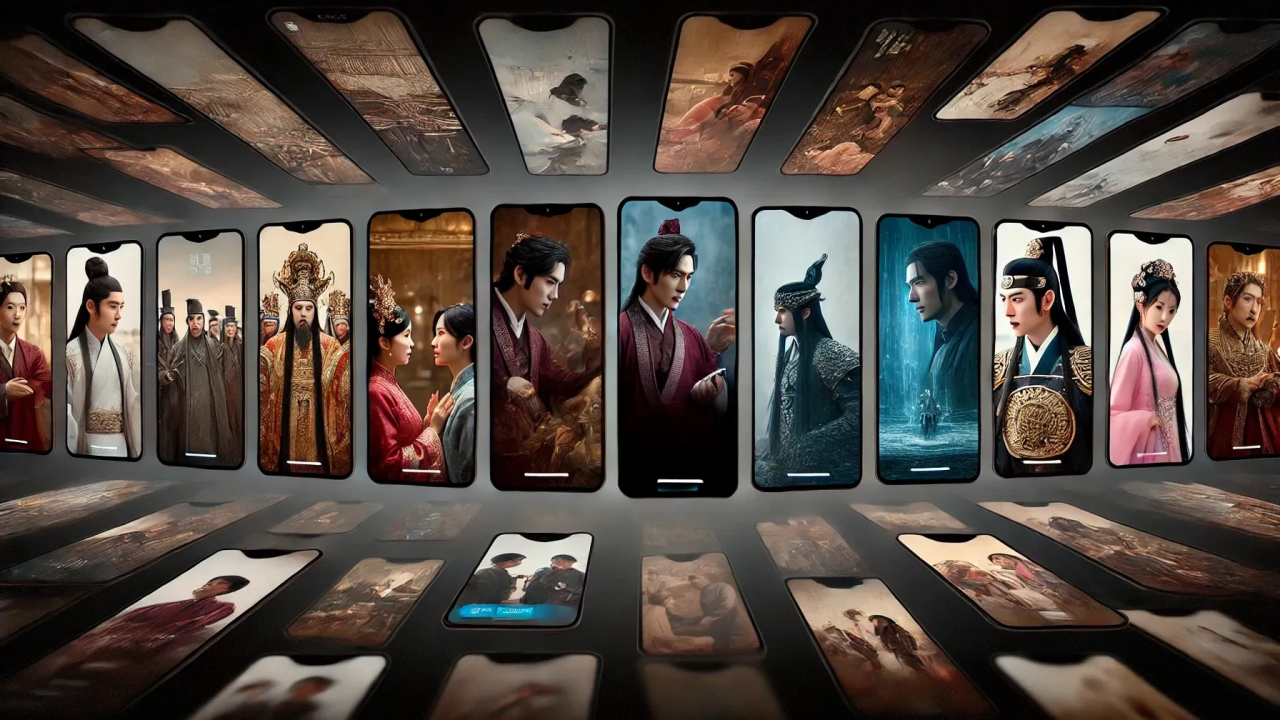
According to the latest industry report, from July 2024 to June 2025, the South-East Asia region experienced a total of 180 million downloads of micro-short play mobile phone applications, representing 24.96 per cent of the global total, surpassing the North American market for the first time. At the same time, China’s short show’s monthly revenues in the overseas market skyrocketed from $6.4 million in July 2023 to $59.7 million in July 2024 – a nearly ninefold increase – demonstrating an alarming commercial potential and user-paying willingness.
Behind this explosive growth is the synergistic drive of multiple factors. First, the rejuvenation of the demographic structure of South-East Asia, the high penetration rate of smartphones and the growing development of mobile payment infrastructure provide fertile soil for the consumption of micro-short content. Second, China’s microtramas, based on the characteristics of “strength, speed, high emotional concentration”, are well suited to the South-East Asian audience’s preferences for entertainment, especially on such topics as love, reticence and suspicion. Moreover, localized operational strategies, such as multilingual sounding, local actors working with local actors, and regional hotspot implants, further close the emotional distance to Chinese content.
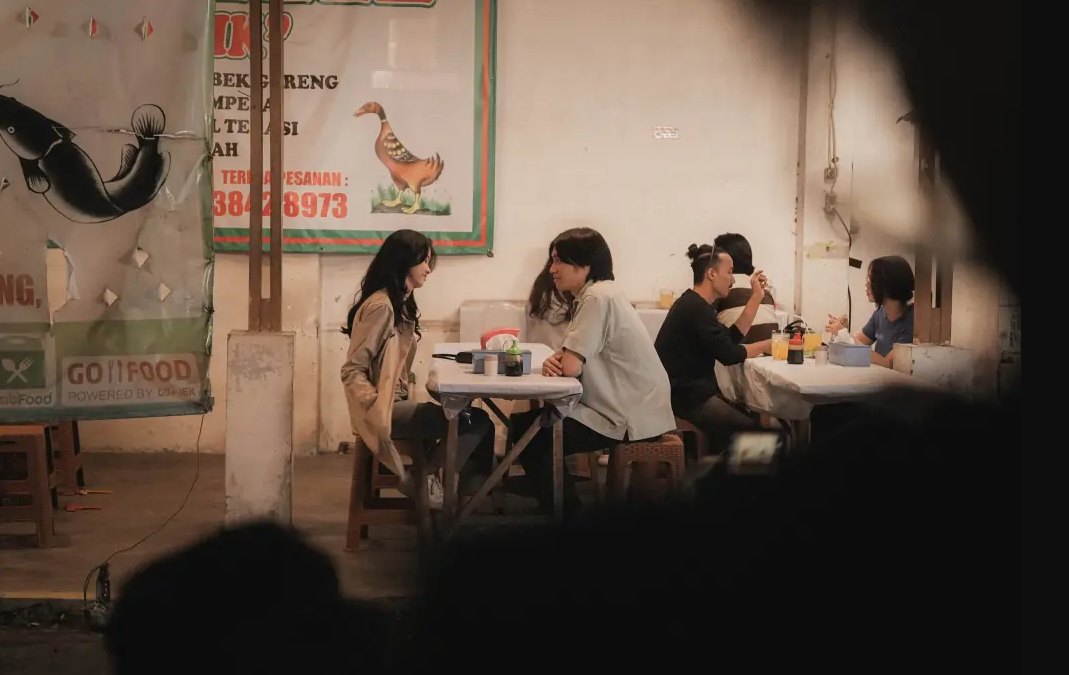
It is a matter of concern that several local governments in China are actively taking advantage of this emerging opportunity. Specialized support policies such as Guangdong, Zhejiang and Hainan cover content creation subsidies, tax incentives and incentives for the introduction of talent. Some cities have set up “Show Out to Sea Parks” to promote the development of industrial chains, such as production, translation, distribution and data analysis, and to provide a systematic support for microshows.
The short play is not only an output of content products, but also a combination of the soft power of culture and new modes of trade in the digital age. It breaks the traditional “heavy input, long-cycle, high-threshold” route to the sea, and in a light-quantitative, agile, data-driven way it achieves a “small cut, big market” global breakthrough. The success of the South-East Asian market provides a replicable model of experience for China ‘ s cultural products to explore emerging markets such as Latin America, the Middle East and Africa.

The National Radio and Television Authority has recently published a Circular on Encouraging and Supporting Microtheatre Development, which proposes that in the future the production of fine microtheaters will be promoted and put on television screens. Radio Republic of Indonesia news anchor Angelica Marvela states: “These programmes focus on daily life and conflict and are therefore easily resonated with our audience.” In a sense, the rise of short-term dramas in South-East Asia was based on the long-standing popularity of some Chinese-language television shows in South-East Asia.
Looking ahead, with the integration of new technological forms such as AIGC, interactive microdrames and virtual idols, China ‘ s microdrames are expected to continue to upgrade in content innovation and user experience.