

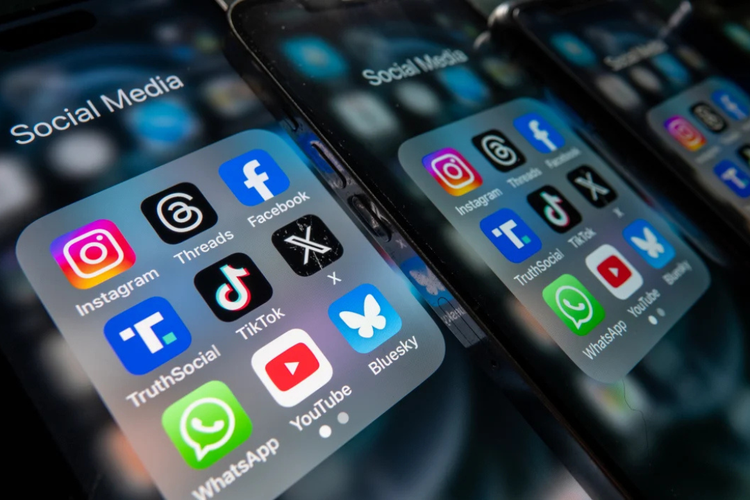
Indonesia ‘ s ban on digital platforms for minors under the age of 16 would be extended to the area of electronic commerce. Média Hafez, Minister of Communications and Digital Affairs of Indonesia, warned that children had become victims of cyber-purchase fraud. Such a shift would shift the focus from countering cyberbullying, addiction and pornography to consumer protection. In March, the Indonesian government initially targeted eight “high-risk” platforms: YouTube, TikTok, Facebook, Instagram, Threads, X, Bigo Live, and, recently, Roblox. In an interview with Agence France Presse in May, Media Hafez stated that the ban would eventually apply to “all digital platforms”, including online shopping sites, although the details of the electrician ban had not yet been published.
Bunga Istyani, Director General of Strategic Planning, We Are Social, observed that in recent weeks the platform has been under double pressure from compliance costs and a shrinking user base. Roblox has already activated the age validation function, and other platforms will soon follow. “But the real loss is not just the number of users,” Bunga Istyani says, “More the loss of the user community that leads the tide, drives the content cycle, and maintains the platform’s vitality.” More than 284 million people currently live in Indonesia, more than half of whom are active users of social media. According to Statista, Indonesia is the third largest social media market in the world and the largest e-commerce market in South-East Asia, with a market size of approximately $65 billion. Following Australia ‘ s announcement at the end of 2025 that minors under 16 years of age were prohibited from accessing social media platforms, many countries in Europe and Asia tightened access to digital platforms for adolescents. New compliance measures for digital platforms include age-validation techniques and stricter content regulation.

Bunga Istyani states: “The effect of the ban on commerce is not what you would have imagined. TikTok Shop would have required users to be 18 years of age, so users under 16 would not have been a major consumer group. The impact of the ban is more evident in terms of touch and exposure. As Indonesia’s new child protection code for digital platforms, PP Tunas, ceases to use underage accounts, the number of corporate Instagram account fans will continue to lose.” The new regulations are intended to help parents protect their children from the effects and risks of large digital platforms. The Indonesian Government believes that, without regulation, families are disadvantaged in protecting children from fraud and harmful content. By requiring age certification and parental consent, the Public Policy Act redefines regulation as a shared responsibility between the family and the platform. “I believe that regulation is having a positive impact on the industry and that, in general, it is more beneficial than bad: it compels businesses to break down more honest audiences. A clearer breakdown of audiences is not only for compliance purposes, but also for better and more sustainable brand relationships. Areas that have been neglected, such as educational platforms, low-risk play platforms and brands, have their own digital experience and are now worth re-examination as an alternative strategic approach, complemented by Bunga Istyani. Similar views were expressed by Fuad Arrasyid, customer director of the transnational public relations and digital marketing advisory body Vero Indonesia. “As brands no longer directly stimulate the desire of underage consumers to purchase on electric power platforms, the focus of marketing naturally shifts to groups associated with children — parents, elders or educators. Marketing strategies are likely to move from targeting individual children to a consumer-friendly scenario for families.” Fuad Arrasyid goes on to say, “The communication industry is helping people, and I am optimistic that they will find responsible adaptation. We may see communication and brand experience refocusing on safe physical public spaces, such as schools, malls, parks and family environments that parents can actively monitor, and communication and brand experience activities. The quantity and quality of these spaces may increase significantly, encouraging local operators to create more family-friendly places and reallocating marketing expenditures that would otherwise have been spent on social media and electric operators.” Recent initiatives in Indonesia have highlighted a broader shift in government response to digital risk. Regulatory initiatives targeting e-commerce demonstrate that consumer protection and child safety are inextricably linked to platform responsibilities. For Indonesia’s digital platform and, more broadly, for digital marketing, the message is clear: those that see regulation as a branding opportunity rather than a burden will win consumer confidence and loyalty.