
Mexico ‘ s newly proposed non-fiscal tax policy package will target products and services that the Government considers to be harmful to public health and social well-being. The most notable provisions include new taxes on violent video games and a substantial increase in tax rates for online gambling operators.
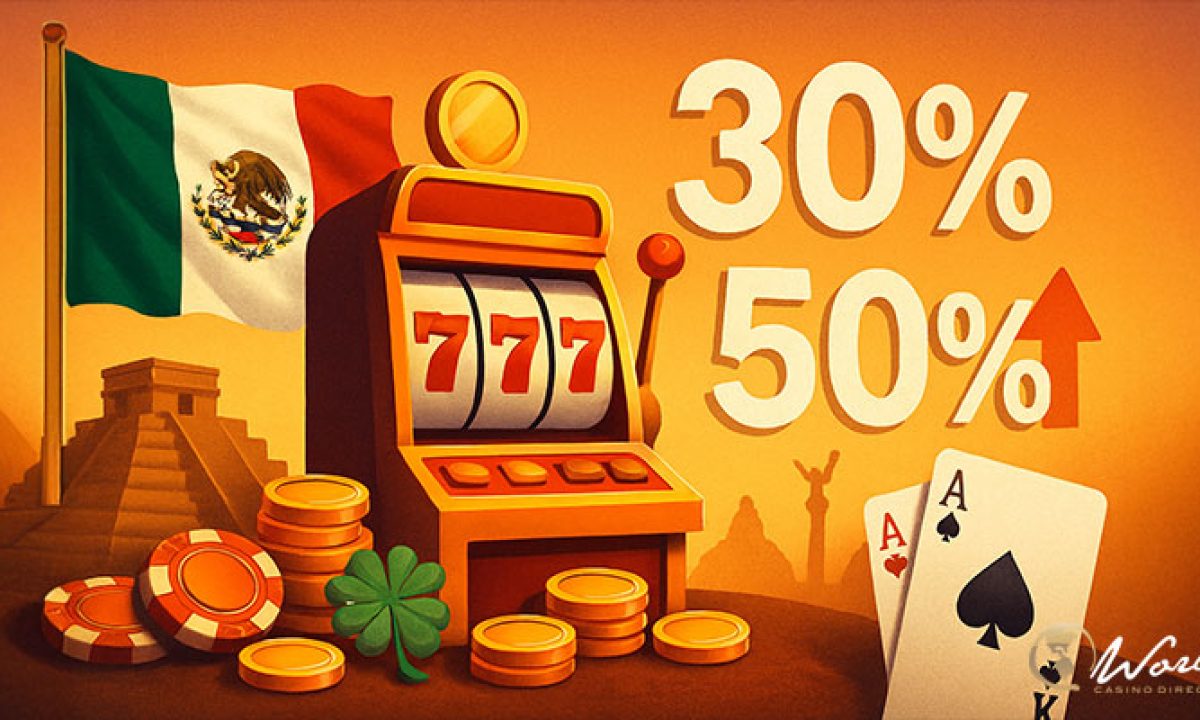
According to Mexican media reports, the proposed reform was submitted to the Mexican Chamber of Deputies late Monday night and would impose a special tax of 8 per cent on digital services for violent games and raise the tax rate for online lottery activities from 30 per cent to 50 per cent. It is not clear whether the revised lottery tax is calculated on the basis of total investment or the net income of the operator. This new measure is written in the section “Health Tax” of Mexico’s General Economic Policy Standards and, if approved by Congress, the bill will enter into force in 2026.
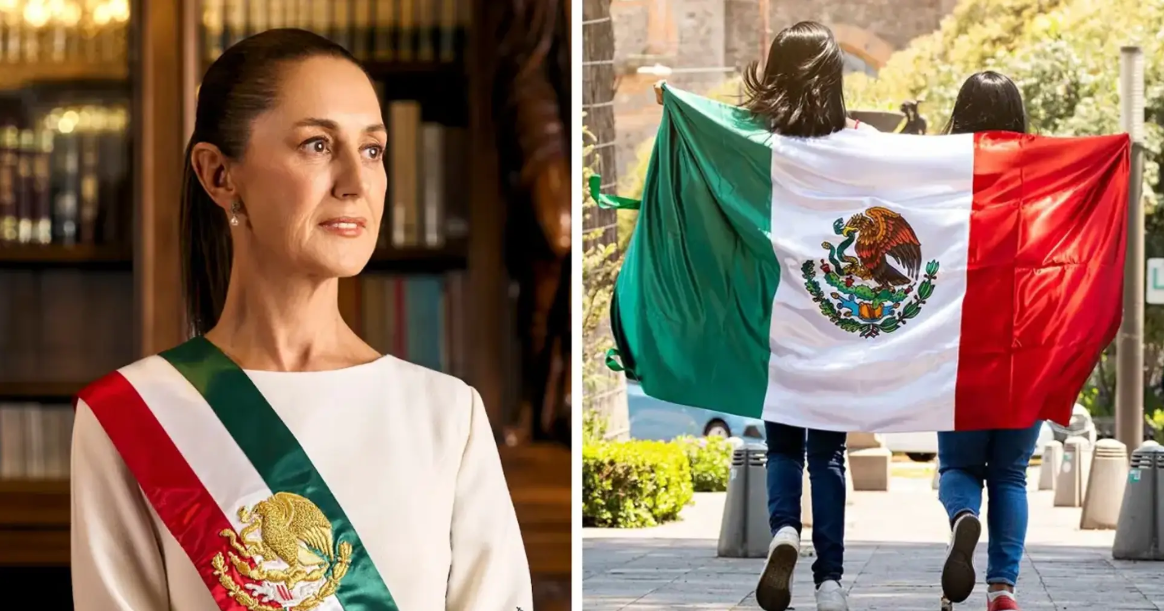
The Government of Mexico’s President, Claudia Simbaum, believes that excessive consumption of sugary beverages, Internet gambling and violent video games have enormous economic and social costs. Government officials indicated that such problems included increased incidence of obesity and diabetes, psychological harm to families and economic stress.
The paper states: “Recent studies have found a link between the use of violent video games and the increase in offensive incidents among adolescents, which will also have negative social and psychological effects such as isolation and anxiety.”
In addition to a tax on digital services and gambling, the Government has proposed to increase the special tax on the production of flavoured beverages and tobacco and services. It is aimed at curbing consumption while increasing public revenues. These “crime taxes” have proven to be effective in reducing consumption and financing preventive medical care, drawing on international experience, such as similar policies on tobacco and beverages.

The Minister of Finance of Mexico, Edgar Amardo, announced the economic package 90 minutes before the constitutional deadline, more than four hours later than originally planned. The Government ‘ s revenue projection for 2026 is 8.7 trillion pesos, and the proposal outlines an expected GDP growth range of 1.8 to 2.8 per cent.
The plan is now before Congress, and the Chamber of Deputies will approve the budget by 15 November. If adopted, it will mark the first major public health intervention by the Simbaum Government, which is expected to generate an additional income of about $20 billion for social welfare and infrastructure. Despite resistance, the proposal highlighted Mexico ‘ s efforts to balance fiscal sustainability with social responsibility.