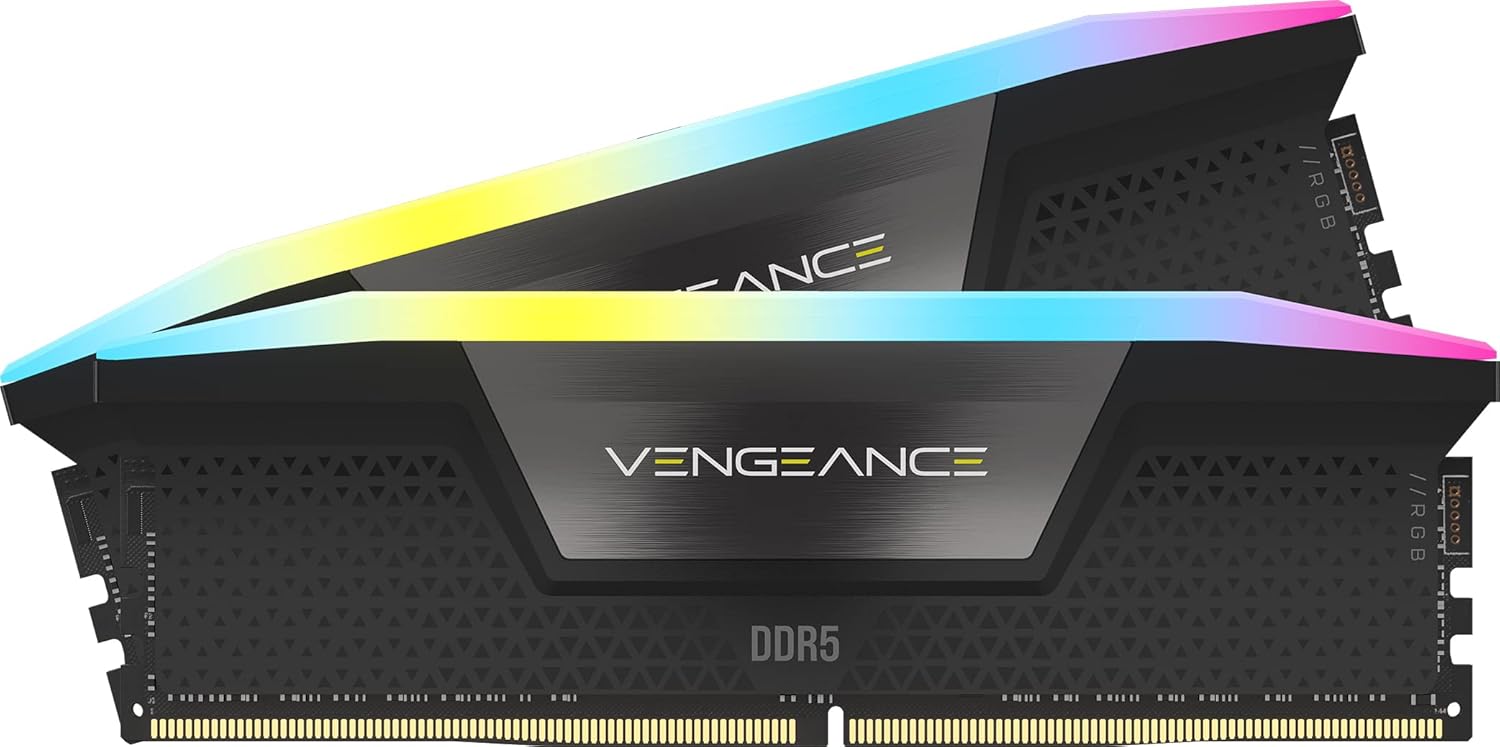
Since November 2025, memory prices have continued to run out of control as a result of the increased demand from AI mega-enterprises. However, prices appeared to have peaked and memory packages began to fall slightly. At the United States Station in Amazonia, the pirate ship vengeance 32GB DDR5 memory (with a speed of 6,400 MHz) is now sold at approximately $379.99, a significant decrease from the recent high of $490; the 16GB DDR5-5200 module is sold at $219.99, also at a historical high of $260.
Only a week ago, the 32GB DDR5 package was sold for more than $450. The other, G. Skill Flare X5 32GB DDR 55,6000, which is the market target, is currently sold at $419, a small drop of $30 from the peak of $449 at the end of February. According to Wccftech, the direct cause of the price easing was widely perceived to be closely related to the new TurboQuant algorithm published by Google. The KV cache compression algorithm claims to reduce memory requirements for AI loads by up to six times, and the paper states that there is no significant difference in performance for long context loads after applying compression layers. This rapid technological breakthrough in the memory industry triggered a sharp response, leading to the evaporation of the market value of DRAM suppliers, such as U.S. Light, by “hundreds of billion dollars”.
Although many experts were sceptical about the effects of the algorithm, the market had responded quickly. In the view of industry analysts, the current price reduction may be due to stock sales that are expected to be generated by the supply chain against algorithms. According to the Daily Telegraph, OpenAI ‘ s problems with financing have also led to lower memory costs. Despite price reversals, there is still a large gap from normal levels. The current 32GB mainstream DDR5 memory price remains above $400, significantly above last year ‘ s level. Moor Insights and Strategy Analyst Ansher Sage had previously predicted that the memory crisis would continue until 2027. While recent price stability has not completely reversed this judgement, it has at least shown positive signals. For PC players, the current price reductions are far below expectations, but the trend has begun to shift. It is widely recognized within the industry that prices may still experience price volatility in the coming months before the real collapse of the built-in crisis. Whether Google algorithms reshape the industry as expected, consumers see at least the first light of a return to rationality.