While real-time service hand-swams dominated industry in the late 2010s, after the 2020s, the model was slowing down in the Japanese market. As the game containing the draw card mechanism becomes saturated, the players find it difficult to break the life cycle of most of these games for three years. A recent study shared by Ayashii Rinjin, a writer who focuses on the field of real-time services and cards, shows that more than 70 per cent of the nearly 2,200 real-time service games recorded in his book end up three years ago. More specific data show that the game is most common in its second year of operation.
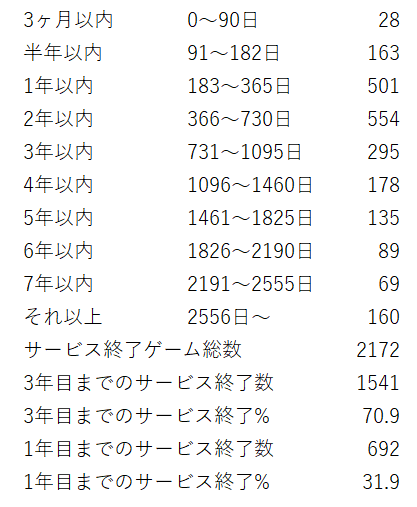
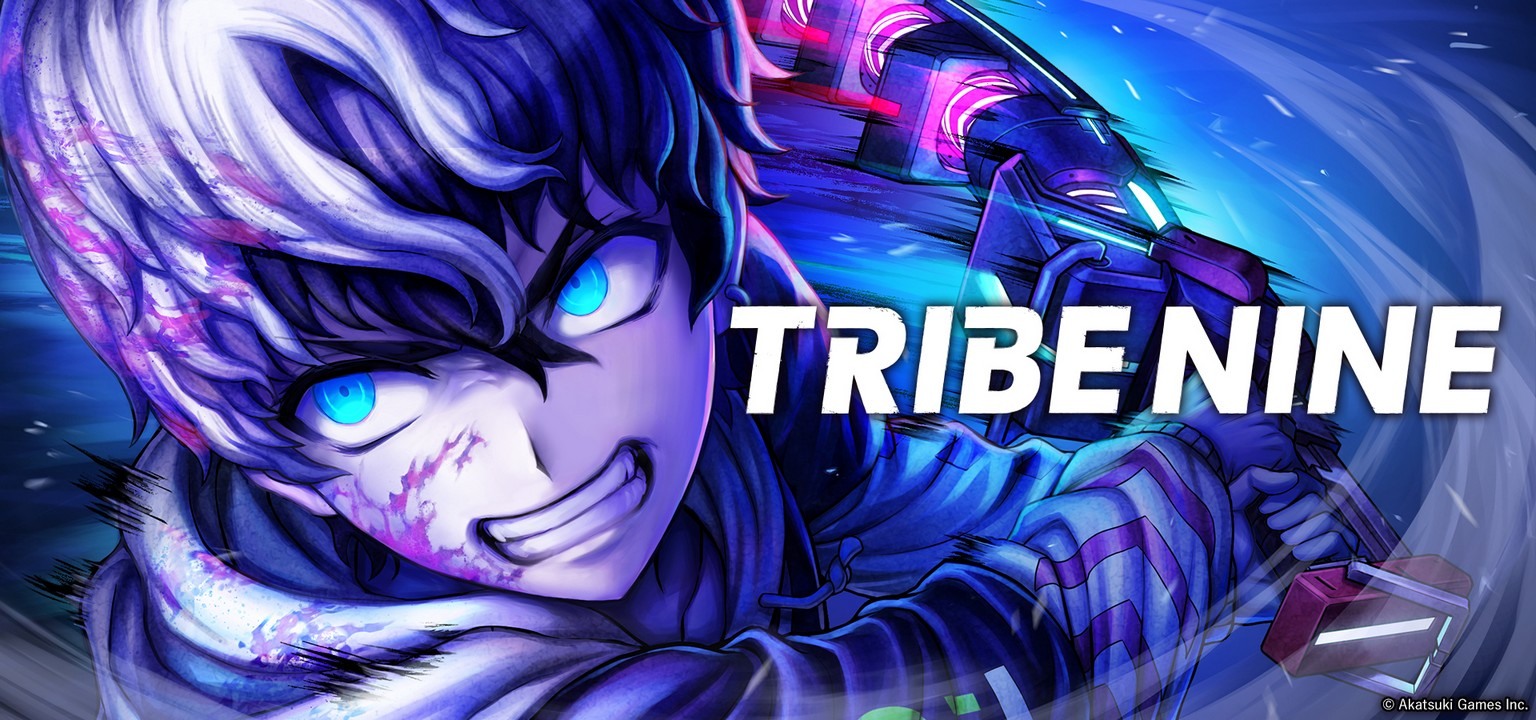
Game survival cycle data at a glanceDiscontinuation within three months: 28 out of six months: 163 out of one year: 501 out of two years: 554 out of three years: 295 out of four: 178 out of five years: 135 out of six years: 89 out of seven: 69 out of seven years: 160 out of a total of 2172 closed games, 1541 (70.9 per cent) failed to enter the third year, and 692 (31.9 per cent) could not even survive the first year. This result is not surprising given market evolution and development challenges. Under the multiple pressures of market saturation, rising development costs and a shortage of talent, the real-time service game industry in Japan has entered the “Titanic sinking phase”. Typical cases, such as the production of a projectile decoupling team and the development by Akatsuki of Tribe Nine: The Extreme Death Tour, were declared suspended after less than a year. More games die quickly because of insufficient funding or excessive “pollicidal” fee-making designs, such as the NFT game Tokyo Beast, which is closed for two months only.
The data show that running real-time service games is essentially like high-risk gambling — the number of games suspended six months before going online, or even more than the number of games that continue to operate for six to seven years — a “high-risk return” model that, even if successfully maintained for more than seven years, can be counter-burdened (in addition to permanent trees such as Fate/Grand Order).
As technologist Eihig said, “The game code of the decade will accumulate unpayable technical debt”, and the SE-styled Star Warrior Fights the Dragon is ending up with a decade of technical complications caused by complex content. In the face of severe survival patterns, Japanese developers are moving from radical commercialization to player-oriented strategies. The advent of The God of the Nativity in 2020 has significantly raised the standards of the card game at the play and narrative levels, undermining many of Japan ‘ s similar works. It is worth noting that Chinese game developers are leading industry change: under the banner of the hero’s game, The Double Helix and the CyberNaked Rain Studio, The Unlimited Large, announced the complete removal of the draw card mechanism. This, if successful, may have far-reaching implications for the industry, but it remains to be seen whether Japanese players will follow up on similar reforms.